



Endodontics in Jeddah: Preserving Natural Teeth
At King’s College Hospital, Endodontics in Jeddah diagnose and treat conditions that affect the dental pulp and surrounding tissues.
Endodontics provides pain relief, reduces infection, and preserves natural teeth that otherwise require extraction. Our skilled endodontists utilize advanced technology to keep the patients comfortable during the treatment and restore their dental health and function.
Table Of Contents
Dentistry Treatments and Services
Understanding Endodontics
Endodontics is a specialized dental field that diagnoses and treats diseases or injuries affecting the tooth’s inner structure, the dental pulp. The pulp has blood vessels and nerves that keep teeth alive. If the pulp is damaged or infected due to decay, trauma, or repeated dental procedures, endodontic treatment is necessary to save the tooth.
Root canal therapy – It’s a common endodontic procedure. It involves removing infected pulp, cleaning the canal system, and sealing it to prevent infection. The infection can spread without timely treatment, leading to abscesses or bone loss around the root.
Endodontists also manage conditions such as apical periodontitis (infection around the root tip), cracked teeth, and dental trauma, like dislodged or fractured teeth.
In cases where a previous root canal fails to heal correctly, endodontic retreatment may be performed to restore health and function.
Diagnosis
Before starting an endodontic procedure, our specialists recommend a few diagnostic tests to ensure optimal results.
- A review of dental and medical history to identify underlying causes of infection or trauma.
- Clinical examination and assessment of symptoms such as tooth sensitivity, pain on chewing, or discoloration.
- Digital X-rays or 3D cone-beam scans, imaging techniques used to visualize root canal anatomy and detect hidden infections.
- Pulp vitality tests determine if the tooth’s nerve is alive, inflamed, or dead.
- In case of trauma or accidents, our specialists go through emergency evaluation and stabilization to preserve the affected tooth.
Following a detailed evaluation helps our team to figure out the dental problem and create a unique treatment plan to preserve the natural tooth.
Treatment
Treatment under Endodontics in Jeddah focuses on removing infection, relieving pain, and restoring normal tooth function. Common procedures include:
- Root Canal Therapy involves careful removal of the damaged or infected dental pulp, cleaning and shaping, and finally, sealing the canals with biocompatible material to prevent tooth re-infection.
- Apical Periodontitis Treatment: If infection persists, non-surgical root canal therapy or an apicoectomy (surgical root tip removal) may be performed.
- Dental Trauma Management: Endodontists specialize in treating fractured or avulsed (knocked-out) teeth through repositioning, stabilization, and subsequent root canal treatment to preserve the tooth.
- Cracked Tooth Management: Depending on the severity, treatment may involve root canal therapy and crown placement to prevent further cracking.
- Endodontic Retreatment: If a previously treated tooth develops new symptoms or infection, retreatment involves reopening the tooth, cleaning the canals, and resealing them to restore health.
King’s College Hospital ensures precision and comfort in every procedure using advanced tools such as dental microscopes, ultrasonic instruments, and digital imaging.
Managing Endodontic Conditions
Long-term success in endodontic care relies on proper management and preventive habits. Patients are encouraged to:
- Brush twice and floss daily for oral hygiene.
- Reduce acidic or sugary foods that contribute to decay and pulp infection.
- Attend routine dental checkups to detect early signs of damage or decay.
- Wear mouthguards during sports or activities to prevent trauma.
- Avoid teeth grinding or clenching; a night guard may be recommended if bruxism occurs.
- Follow post-treatment care instructions diligently, including avoiding hard foods until the treated tooth is fully restored.
- Report any pain, swelling, or unusual sensations to the dentist immediately.
The tooth management techniques ensure long-term results and overall oral health.
What to Expect During Your Visit
When visiting the Endodontics department in Jeddah at King’s College Hospital, patients can expect a smooth and transparent experience:
- A thorough discussion of dental and medical history, along with symptoms.
- Detailed examination and imaging of the affected tooth and surrounding areas.
- A clear explanation of the diagnosis and proposed treatment options.
- Step-by-step details about the procedure, anesthesia, and recovery process.
- For proper healing and long-term results, go through personalized aftercare.
- Answers all patient questions and schedules follow-up appointments if required.
Preserve Your Natural Smile - Endodontics in Jeddah
Healthy, pain-free teeth are essential for confidence and overall well-being. The King’s College Hospital team provides advanced Endodontics in Jeddah, ensuring precise diagnosis, gentle treatment, and effective pain relief. Whether managing infection, trauma, or complex root canal cases, the goal is always to preserve natural teeth and restore lasting comfort.Discover more about our Endodontics services — Schedule a consultation today.
Frequently Asked Questions (FAQ)
An endodontist is a dentist who specializes in diagnosing and treating tooth pain caused by infections or inflammation inside the tooth, primarily through root canal therapy.
A periodontist treats gum and bone diseases, while an endodontist focuses on the tooth’s internal structures, including the pulp and root canals.
It involves removing infected pulp tissue, cleaning and disinfecting the root canals, and sealing them to prevent further infection.
Yes, they treat cracked teeth by performing root canal therapy and restoring the tooth with a crown to prevent further damage.
Root canals are mostly completed within 1 or 2 visits, based on the severity of the infection and tooth condition.
Recovery usually takes a few days, with mild sensitivity that subsides with proper care and medication.
Yes, endodontists perform surgical procedures like apicoectomy when non-surgical treatment is insufficient to resolve infection.
Related Doctors
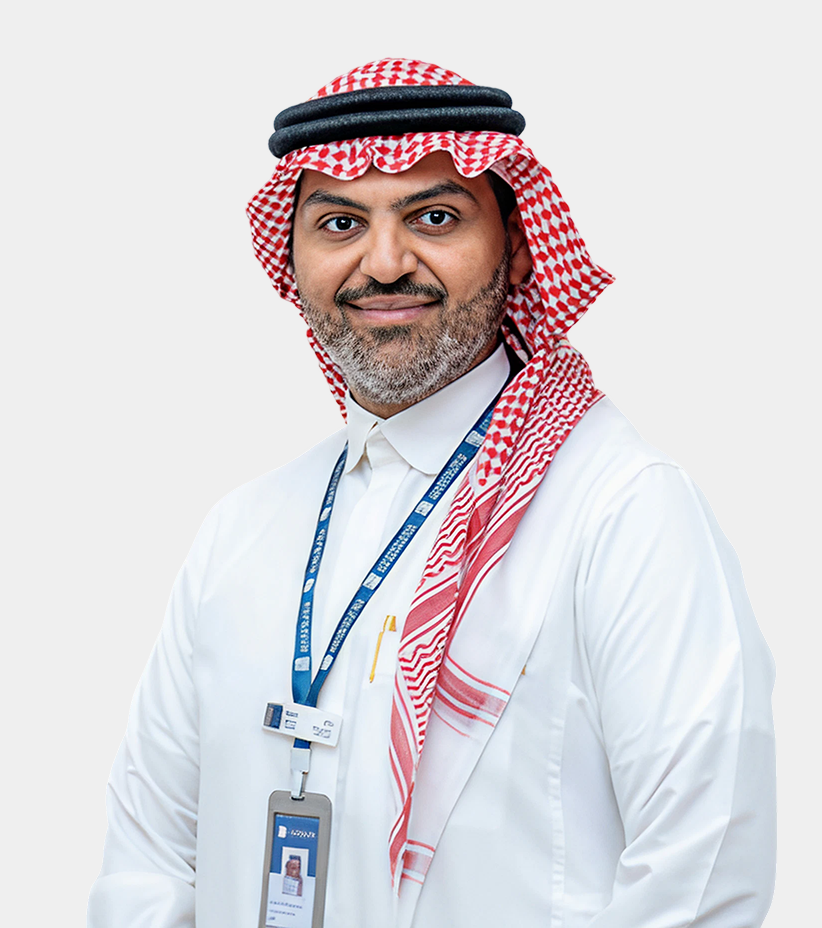
Dr. Rayan Bahabri