
Years of Experience
Laparoscopic
Procedures
in Gallbladder
Procedures
in Complicated Pancreatic
Cancer Operations
Years of
Experience

Laparoscopic
Procedures
in Gallbladder & Laparoscopic
Hernia Procedures
in Complicated Liver &
Pancreatic Operations
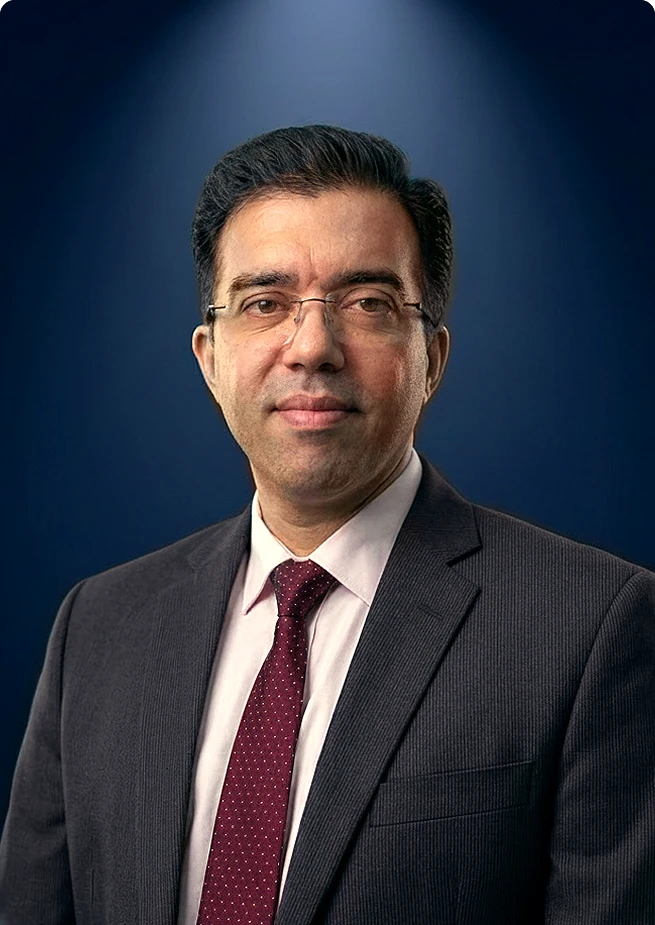


Dr. Rajesh Nambiar, with over 20 years of experience, is a skilled laparoscopic gastrointestinal surgeon in Dubai at Mediclinic Welcare Hospital. He has pursued MBBS from Medical College Calicut in 1996 and is also fluent in languages like English, Malayalam, Hindi, and Tamil.
Dr. Rajesh has been serving in this domain for more than a decade in leading surgical teams across established institutions. He is also a member of many prestigious associations, like the Emirates Colorectal Society, the Emirates Medical Association, and many more. He is thus known for his structured, results-driven approach and complex surgical care.
His area of expertise is advanced laparoscopic gastrointestinal procedures, including upper GI surgery, with a particular emphasis on pancreatic and hepatobiliary disorders. In addition to treating chronic pancreatitis and bile duct diseases, he specializes in complicated cancer surgeries such as pancreatic resections and liver tumor excision.
Dr. Rajesh is also trained in liver transplantation techniques. Furthermore, he is proficient in addressing GI surgical emergencies like peritonitis, trauma-related conditions, internal bleeding, and necrotising pancreatitis.
Dr. Rajesh as a gastroenterologist in Dubai and a compassionate medical professional, ensures timely and effective intervention when it matters most.

Dr. Rajesh Nambiar, with over 20 years of experience, is a skilled laparoscopic gastrointestinal surgeon in Dubai at Mediclinic Welcare Hospital. He has pursued MBBS from Medical College Calicut in 1996 and is also fluent in languages like English, Malayalam, Hindi, and Tamil.
Dr. Rajesh has been serving in this domain for more than a decade in leading surgical teams across established institutions. He is also a member of many prestigious associations, like the Emirates Colorectal Society, the Emirates Medical Association, and many more. He is thus known for his structured, results-driven approach and complex surgical care.
His area of expertise is advanced laparoscopic gastrointestinal procedures, including upper GI surgery, with a particular emphasis on pancreatic and hepatobiliary disorders. In addition to treating chronic pancreatitis and bile duct diseases, he specializes in complicated cancer surgeries such as pancreatic resections and liver tumor excision.
Dr. Rajesh is also trained in liver transplantation techniques. Furthermore, he is proficient in addressing GI surgical emergencies like peritonitis, trauma-related conditions, internal bleeding, and necrotising pancreatitis.
Dr. Rajesh as a gastroenterologist in Dubai and a compassionate medical professional, ensures timely and effective intervention when it matters most.


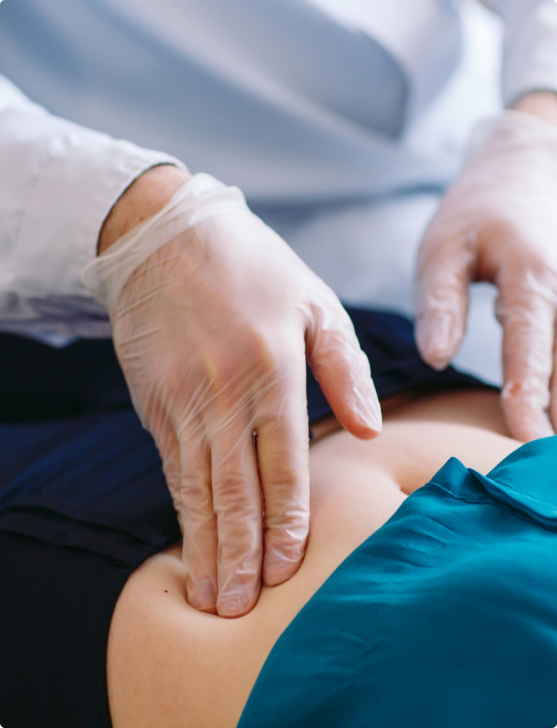
Repair of abdominal wall weaknesses to restore strength and prevent recurrence
Targeted surgical removal of cancers affecting the gastrointestinal organs.
Surgical treatment for blockages, injuries, or diseases affecting the bile ducts.
Surgical care for conditions involving the colon, rectum, and lower bowel.
Advanced and conventional procedures for conditions like piles, fissures, and fistula with improved comfort and recovery.
Precise removal of endometriotic tissue affecting the bowel to relieve pain and restore function.

Dr. Rajesh Nambiar is well-known in Dubai for his patient-centered, precision-driven approach to hernia treatment.
Dr. Rajesh’s profound understanding of the anatomy of the liver allows him to do accurate liver resections that maximize the amount of healthy liver tissue while removing damaged portions.
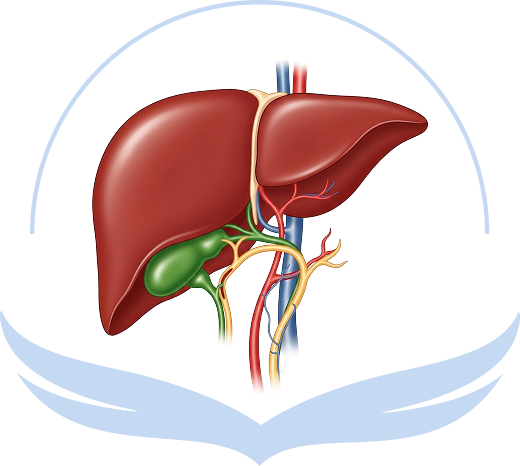
Dr. Rajesh brings both the technical depth and the clinical judgment for complex colon cancer cases.
Dr. Rajesh offers minimally invasive treatment for gallbladder removal and diseases, focused on faster recovery and reduced discomfort.



Dr. Rajesh Nambiar follows a coordinated, team‑driven approach to ensure GI cancer care is precise, timely, and well‑integrated.
Each case is evaluated with oncologists, radiologists, and pathologists.
Treatment plans are customized based on cancer type, stage, and patient health.
Operative care is aligned seamlessly with chemotherapy or radiation when needed.
Surgical decisions are supported by detailed imaging and pathology inputs.
Close coordination ensures smooth transitions from diagnosis to recovery.
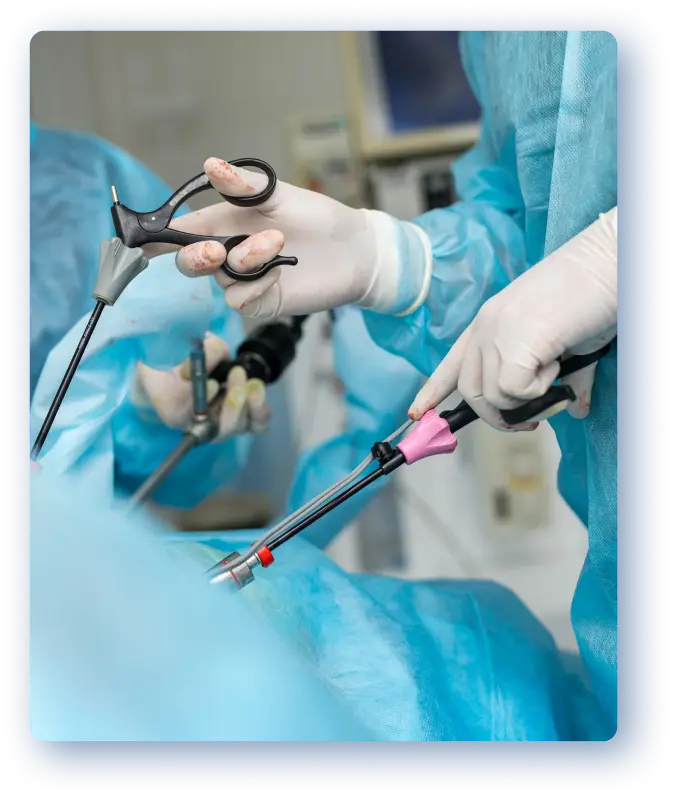

Smaller incisions mean less tissue damage
and reduced post‑operative pain.
Reduced infection rates and fewer
wound‑related issues.
Smaller incisions mean less tissue damage
and reduced post‑operative pain.
Reduced infection rates and fewer
wound‑related issues.
Dedicated expertise in complex upper GI, liver, and pancreatic laparoscopic procedures.
Surgical decisions shaped by years of hands‑on experience with high‑risk GI cases.
Even in difficult and complicated situations, the least invasive methods are preferred.
Exposure in liver transplant procedures and advanced liver disease through careful evaluation, surgery, and post‑op care.
Each surgery is tailored around anatomy, disease severity, and recovery goals.
Concentrates on integrated team collaboration with diverse teams to maximize surgical timing and results
Places high priority on long-term patient wellbeing, safety, and the quality of recovery.
Yes, when performed by an experienced surgeon, it is considered safe and is widely used for many GI conditions.
Recovery is usually quicker than open surgery, with many patients resuming routine activities within a few weeks.
Scars are minimal, as the procedure involves very small incisions.
Not all, but many conditions can be managed this way, depending on their complexity and stage.
When compared to conventional open treatments, the majority of patients report less discomfort.
Depending on the operation, hospital stays are usually shorter, just a few days.
Yes, in certain situations. With careful preparation, it can be used successfully for some GI tumors.
Depending on how well they recover, many patients are able to return earlier than anticipated.