HomeServices › Colon Cancer

Colon Cancer

Colon cancer is one among the most prevalent cancers worldwide, yet it is also one of the most treatable when diagnosed at an early stage.  

Changes in bowel habits, ongoing abdominal discomfort, or unexplained fatigue are often easy to overlook. When the symptoms persist, getting timely intervention can make a huge difference. 

If you or your loved one has been diagnosed with colon cancer or simply wants an expert evaluation, Dr. Rajesh Nambiar, Specialist GI Surgeon, offers advanced, multidisciplinary colon cancer treatment in Dubai backed by over 20 years of complex gastrointestinal surgical experience. 

Dr. Rajesh combines advanced laparoscopic techniques and detailed surgical planning to support safer treatment, improved recovery, and better long-term outcomes. 

What is colon cancer?

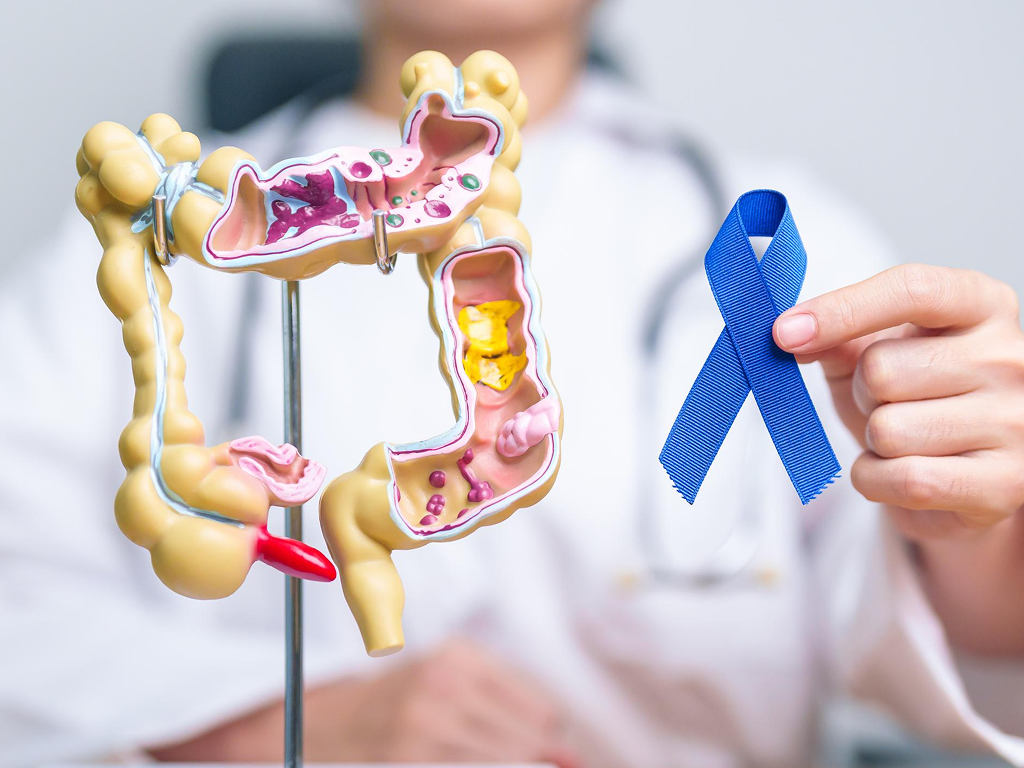
When abnormal cells grow uncontrollably in the colon, which is part of the large intestine, it can lead to colon cancer. It often begins as small growths called polyps that may gradually change into cancer over time. 
What are the common risk factors of colon cancer?
  • Increasing age
  • A History of colonic polyps
  • Family history of colon cancer
  • Inflammatory bowel disease
  • Obesity
  • Smoking
  • Low-fiber and high-fat diets
  • Sedentary lifestyle

Recognize these warning signs - When should you seek treatment?

Colon cancer often develops silently in its early stages, which is why screening is so valuable. All individuals over the age of 45 should undergo a colonoscopy. If you have a family history of colon cancer then even earlier. By the time symptoms develops it may be too late. As the disease progresses, symptoms may include:
  • Persistent changes in bowel habits like diarrhea, constipation, or thin stools
  • Rectal bleeding or blood in the stool
  • Mucus discharge with stool
  • Recent onset abdominal discomfort, you may experience cramps, gas, or pain
  • A feeling that the bowel doesn’t empty completely
  • Unexplained weight loss or fatigue
  • Weakness or anemia without a clear cause

How is colon cancerdiagnosed?

Dr. Rajesh uses a structured diagnostic approach that may include:
  • Stool occult blood – This is the first test to be done. 
  • Colonoscopy – the gold standard for visualizing the colon and taking tissue biopsies
  • CT colonography – a non-invasive imaging alternative
  • Blood tests – including CEA (carcinoembryonic antigen) tumor marker levels
  • CT scan – to assess the extent of spread and aid surgical planning
  • MRI or PET scan – in select cases for detailed staging

Understanding colon cancer treatment in Dubai

Treatment depends on the following factors: 

  • Location of the tumor, 
  • Stage of cancer, 
  • Overall health, 
  • Whether the disease has spread.

Dr. Rajesh Nambiar offers personalized colon cancer treatment in Dubai, combining advanced surgical techniques with coordinated cancer care planning. Cancer treatment is  always a multidisciplinary team effort. This improves patient outcomes and increases the chance of long term disease free survival.

Colon cancer surgery in Dubai

Surgery is often recommended for localized colon cancer and plays an important role in both early and advanced stages of the disease.

Dr. Rajesh performs minimally invasive radical colon cancer surgery in Dubai using modern surgical approaches focused on precision, safety, and faster recovery.

Laparoscopic colectomy

Minimally invasive resection of the cancer-affected segment of the colon.

Laparoscopic Anterior resection

Minimally invasive surgery for rectal cancer

Radical Surgery is the rule

Nearby lymph nodes and fat are removed along with the primary tumour to check for cancer spread and assess the chance of recurrence. 

Bowel anastomosis

Healthy ends of the colon are rejoined after tumor removal.

Surgery for locally Advanced tumours

May be Laparoscopic or open surgery depending on the extent of the tumour 
Laparoscopic Colon Cancer Surgery

Whenever clinically appropriate, Dr. Rajesh performs laparoscopic (minimally invasive) colon cancer surgery in Dubai. Using small incisions, a high-definition camera, and fine instruments, he can remove the tumor with the same oncological precision as open surgery, but with significantly less trauma to the body.

Role of chemotherapy and radiation – 

Further treatment depends on the Biopsy report which tells us the grade of the tumor and helps predict the risk for recurrence. Once the report is available the patient is discussed in a multidisciplinary team meeting which includes the medical and radiation oncologists. We then decide on the treatment plan. 

  • Chemotherapy is mostly recommended after surgery to destroy any remaining cancer cells. 
  • Radiation therapy is more commonly used in locally advanced rectal cancer cases.

Who can undergo surgery for colon cancer surgery?

  • You have been diagnosed with colon cancer at colonoscopy. 
  • Imaging confirms the tumor is resectable.
  • There is no spread of the disease. 
  • You are medically fit to undergo general anesthesia and surgery
  • You have cancer-related complications, such as obstruction, Perforation or bleeding, requiring urgent intervention. 
  • If You have spread of the disease (Stage IV disease)  surgical removal if beneficial  usually follows Chemotherapy
Dr. Rajesh conducts a detailed assessment, including cardiorespiratory fitness evaluation and detailed imaging review, before recommending a colon cancer surgery in Dubai. 

Benefits of surgical treatment for colon cancer

Choosing the right colon cancer treatment in Dubai can be life-changing. When performed by an experienced GI surgeon, surgical resection offers:
  • The best chance of cure in early and locally advanced disease
  • Quick relief from symptoms such as obstruction, bleeding, or pain
  • Accurate staging through lymph node analysis
  • Long-term remission when combined appropriately with chemotherapy
  • Improved comfort, when the disease is controlled

Risks and safety

Colon cancer surgery is a major abdominal procedure, and like all surgeries, it carries potential risks.Some of the possible risks include:
  • Anastomotic leak (the joined bowel ends leaking, uncommon but serious)
  • Wound infection or abscess
  • Bleeding
  • Temporary or permanent changes in bowel function
  • Deep vein thrombosis (blood clots)
  • Reaction to anesthesia
  • In rare cases, need for a stoma
Dr. Rajesh follows strict surgical safety protocols and evidence-based cancer care practices to optimize patient outcomes and minimize surgical risks.

Recovery timeline after colon cancer surgery

Recovery depends on the surgery, the patient’s overall health, and whether additional treatments are required.
TimeframeWhat to Expect
Day 1–3ICU or ward monitoring; gradual return of bowel sounds; liquid diet initiated
Day 3–5Introduce soft diet, encourage light walking, pain is well-controlled in this stage. 
Day 5-10Discharge for most patients; wound care and activity guidance provided
Week 3–6Gradual return to normal diet and light activities
Week 6–8Oncology review for adjuvant chemotherapy if required; return to work for most
Long-term follow-up – 
In cancer the importance of follow up cannot be over emphasized. It is mandatory in all patient even if they do not require chemotherapy or radiation. There is always a chance of recurrence. 
  • Regular cancer surveillance
  • Follow-up scans and colonoscopy when needed
  • Ongoing multidisciplinary care if chemotherapy is required
Patients undergoing colon cancer surgery in Dubai receive personalized recovery guidance to support healing and long-term wellness.

Cost of colon cancer treatmentin Dubai

The cost of colon cancer treatment depends on the following:
  • Stage of the cancer
  • Surgical complexity
  • Hospital stay duration
  • Need for chemotherapy or additional treatments
  • Diagnostic investigations
  • Insurance coverage
For a precise cost estimate based on your diagnosis and treatment plan, a consultation with Dr. Rajesh is the appropriate starting point.

Dr. Rajesh Nambiar

MBBS · MS · DNB Surgical Gastroenterology · HPB & Transplant Fellowship · GI, Hepatobiliary & Pancreatic Surgery

20+

Years of Experience

5

Procedure Types

DHA

Licensed Specialist

Dr. Rajesh Nambiar’s approach tocolon cancer surgery in Dubai

Colon cancer care is never a single-surgeon undertaking. Dr. Rajesh Nambiar follows a fully integrated, team-driven approach that brings together surgical, oncological, radiological, and pathological expertise at every stage of care. 
His surgical and clinical philosophy includes:
  • Pre-operative tumor board discussion for all colon cancers. Hence the patient receives the best treatment planning. 
  • Evidence-based surgical decision-making guided by up-to-date imaging
  • Preference for minimally invasive techniques to reduce recovery burden
  • Clear, compassionate communication with patients and families at every step
  • Close post-operative surveillance and coordination with medical oncology
With his extensive training in colorectal surgery, hepatobiliary surgery, and advanced laparoscopic techniques and contributions to colorectal cancer registry research in India, Dr. Rajesh brings both the technical depth and the clinical judgment for complex colon cancer cases.

Trusted colon cancer treatment in Dubai with advanced surgical expertise

Effective colon cancer care requires timely diagnosis, precise surgical treatment, and long-term follow-up. Dr. Rajesh Nambiar combines advanced laparoscopic expertise with personalized cancer care planning to provide comprehensive colon cancer treatment in Dubai tailored to each patient’s needs.

Book a consultation today for expert evaluation and advanced colon cancer surgery in Dubai with Dr. Rajesh Nambiar.

Frequently AskedQuestions

Yes, particularly when detected in the early stage. Stage I and II colon cancer has high long-term survival rates with surgery alone. Even Stage III disease is frequently cured with surgery followed by chemotherapy.

Not always. A temporary or permanent stoma is only needed in specific situations, such as emergency surgery, very low rectal cancers, or when the bowel cannot be safely rejoined. Dr. Rajesh will discuss this possibility clearly before any procedure.

A laparoscopic colon resection typically takes 2–4 hours, depending on tumor location and complexity. Open procedures may take longer.

Both are types of colorectal cancer, but colon cancer occurs in the large intestine while rectal cancer develops in the last portion of the bowel (rectum). 

For resectable or non-emergency colon cancer, surgery is typically planned within a few weeks of diagnosis. In cases of any obstruction or bleeding, emergency surgery may be needed sooner.

Yes, though dietary adjustments are recommended during recovery. Most patients return to a normal or near-normal diet within 4–6 weeks. 

After colon cancer surgery, the follow up includes clinical reviews every 3–6 months for the first 2–3 years, with colonoscopy, imaging, and CEA testing at defined intervals to monitor for recurrence.

Book an Appointment