Home › Services › Laparoscopic Colon Surgery
Laparoscopic Colon Surgery
Surgical Expertise
- Basic and advanced laparoscopic surgery
- Laparoscopic Gallbladder Surgery
- Laparoscopic and Open Hernia Surgery
- GI Cancer Surgery
- Laparoscopic Colon Surgery
- Liver Resection ( Hepatectomy )
- Liver Transplantation
- Bile Duct Surgery
- Pancreatic Surgery ( Whipples Resection )
- Colorectal Surgeries
- Laser and Routine Anal Disorders Surgeries
- Laparoscopic Treatment of Bowel Endometriosis
Enquiry Now
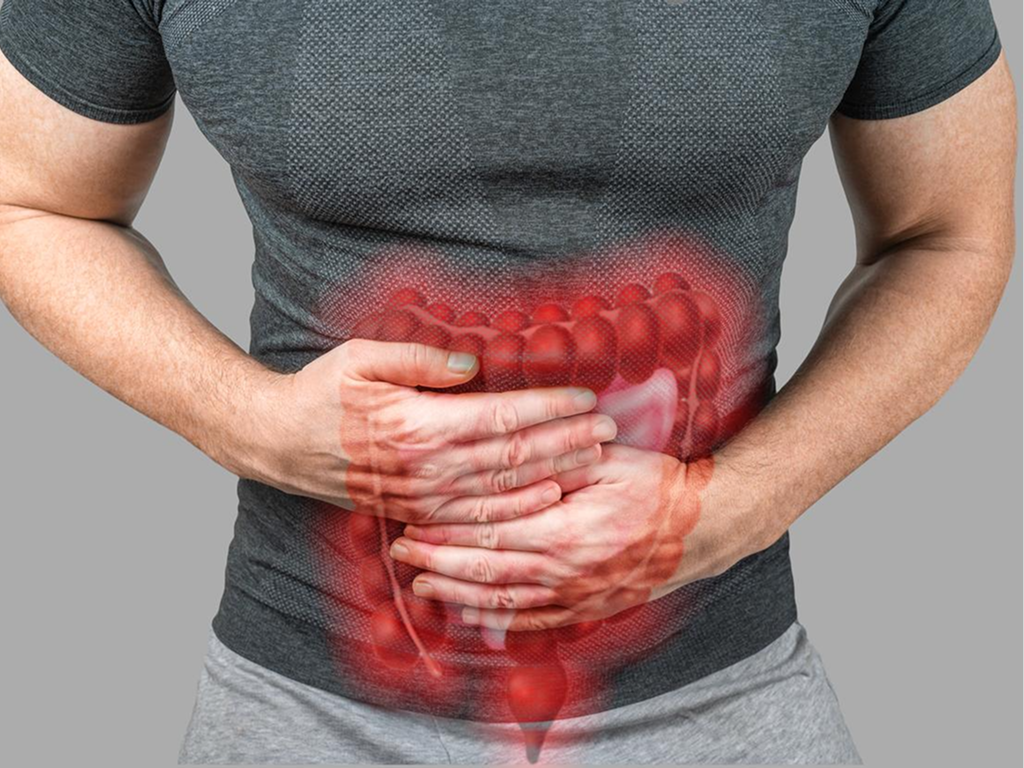
Colon conditions can significantly affect your comfort, digestion, and overall quality of life.
Persistent abdominal pain, changes in bowel habits, rectal bleeding, colon polyps, inflammatory bowel disease, diverticular disease, or colorectal cancer may eventually require surgical intervention when conservative treatments are no longer effective.
Laparoscopic colon surgery in Dubai is a modern, less invasive way to treat many colorectal conditions. It uses smaller incisions, causes less pain, helps you recover faster, and allows for more precise surgery.
Also known as minimally invasive colectomy, this advanced procedure allows surgeons to remove diseased portions of the colon at the same preserving as much healthy tissue as possible. Dr Rajesh Nambiar is an experienced Gastrointestinal surgeon in Dubai who does advanced Laparoscopic colorectal procedure.
What is Laparoscopic colon surgery in Dubai?
- Colon cancer
- Diverticulitis
- Colon polyps
- Crohn’s disease
- Ulcerative colitis
- Bowel obstruction
- Gastrointestinal bleeding
- Colorectal trauma
- Precancerous lesions
Types of Colectomy in Dubai
Depending on the condition being treated, different types of colectomy procedures may be recommended.
Partial colectomy
Removal of the diseased section of the colon while preserving the healthy portion.
Right hemicolectomy
Removal of the right side of the colon is commonly performed for right-sided colon tumors or severe inflammatory bowel disease.
Left hemicolectomy
Removal of the left side of the colon for conditions affecting the descending colon.
Sigmoid colectomy
Removal of the sigmoid colon is often performed for diverticulitis or sigmoid tumors.
Total colectomy
Removal of the entire colon in cases of widespread disease or inflammatory bowel disorders.
Robotic-assisted colon surgery
Advanced robotic GI surgery may be used in selected patients to enhance surgical precision, visualization, and dexterity during complex colorectal procedures.
Who is an ideal candidate for laparoscopic colon surgery?
- Have colon cancer or precancerous polyps
- Experience recurrent diverticulitis
- Have inflammatory bowel disease requiring surgery
- Have a bowel obstruction
- Experience ongoing gastrointestinal bleeding
- Require colon resection because of trauma or infection
- Are healthy enough for general anesthesia
- Would rather have a minimally invasive surgical treatment
Benefits of laparoscopiccolon surgery
- Smaller incisions mean less visible scarring and less damage to the surrounding tissue.
- Most patients can get back to their usual activities sooner than they would after open surgery.
- Because the cuts are smaller, patients usually have less pain after surgery.
- Minimally invasive surgery can lower the chance of wound infections or other problems.
- Patients usually spend less time in the hospital after laparoscopic surgery.
- Surgeons can see more clearly during the operation, which helps them perform delicate procedures with greater accuracy.
- Smaller scars usually mean a better cosmetic results after healing.
Potential risks of Colectomy in Dubai
- Bleeding or infection
- Leakage at the bowel connection( anastomosis) site
- Blood clots or injury to the surrounding organs
- Temporary bowel dysfunction
- Hernia formation
- Anesthesia-related complications
Recovery after Laparoscopic colectomy in Dubai
Recovery timelines vary depending on the complexity of the surgery, the patient’s overall health, and the condition being treated.
Immediately after surgery
Patients are monitored closely in the recovery area and encouraged to begin gentle movement early to support circulation and healing.
First few days
A gradual transition from liquids to soft foods is introduced as bowel function returns.
First 2 weeks
Mild fatigue and abdominal discomfort are common but usually improve steadily.
4 to 6 weeks
Most patients can resume light daily activities and office-based work.
6 to 8 weeks
Patients are generally able to return to normal routines, including moderate physical activity, depending on surgical recovery.
Follow-up appointments are important to monitor healing and discuss pathology results if surgery was performed for cancer treatment.
Cost of laparoscopic colon surgeryin Dubai
- Complexity of the condition
- Type of colectomy performed
- Hospital stay duration
- Use of robotic-assisted techniques
- Preoperative investigations
- Postoperative care requirements

Dr. Rajesh Nambiar
MBBS · MS · DNB Surgical Gastroenterology · HPB & Transplant Fellowship · GI, Hepatobiliary & Pancreatic Surgery
- Mediclinic Welcare Hospital
- DHA Licensed Specialist
- Adjunct Clinical Lecturer – MBRU
- Emirates Medical Association
- Da Vinci System Certified Console Surgeon
20+
Years of Experience
5
Procedure Types
DHA
Licensed Specialist
Dr. Rajesh Nambiar - A colon surgeon in Dubaiyou can trust
- Detailed diagnostic evaluation
- Minimally invasive surgical techniques, whenever possible
- Personalized treatment planning
- Enhanced recovery protocols
- Multidisciplinary collaboration for cancer care
- Patient education and long-term follow-up
Frequently AskedQuestions
Patients experience less pain compared to traditional open surgery because the procedure uses smaller incisions. Pain is managed with medications during recovery.
The procedure usually takes between 2 and 5 hours, depending on the complexity of the condition and the type of colectomy being performed.
Not all patients require a colostomy bag. Whether one is needed depends on the condition being treated and the surgical location.
Most patients stay in the hospital for approximately 3 to 7 days following surgery, depending on recovery progress.
Many patients return to light work within 4 to 6 weeks, although recovery times vary between individuals.
Yes. Laparoscopic colectomy is widely used for colon cancer treatment and offers effective cancer removal with the benefits of minimally invasive surgery.
Open surgery involves a larger abdominal incision, while laparoscopic surgery uses smaller incisions and specialized instruments, often resulting in faster recovery and less postoperative discomfort.