
Home › Services › Basic and advanced laparoscopic surgery
Basic and advanced laparoscopic surgery
Surgical Expertise
- Basic and advanced laparoscopic surgery
- Laparoscopic Gallbladder Surgery
- Laparoscopic and Open Hernia Surgery
- GI Cancer Surgery
- Laparoscopic Colon Surgery
- Liver Resection ( Hepatectomy )
- Liver Transplantation
- Bile Duct Surgery
- Pancreatic Surgery ( Whipples Resection )
- Colorectal Surgeries
- Laser and Routine Anal Disorders Surgeries
- Laparoscopic Treatment of Bowel Endometriosis
Enquiry Now
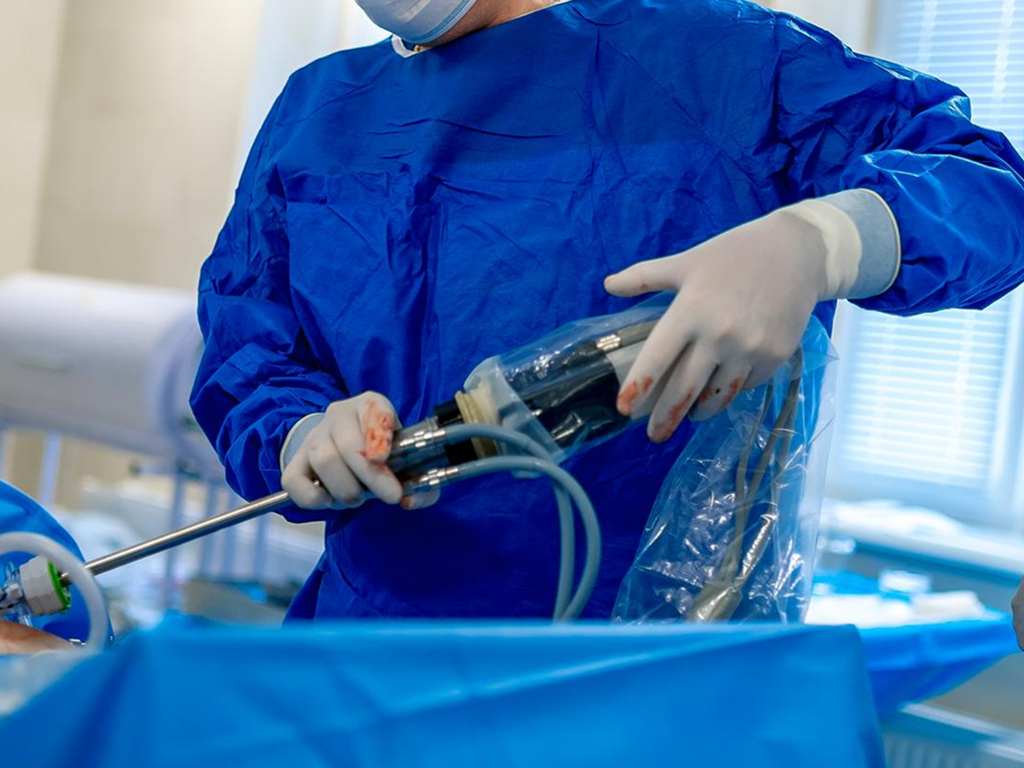
Laparoscopic surgery has transformed the way many abdominal procedures are performed today. Instead of large incisions used in traditional open surgery, laparoscopy involves making a few small cuts through which a camera (laparoscope) and specialized instruments are inserted.
The laparoscope transmits high-definition images to a screen, allowing the surgeon to operate with enhanced clarity and precision. This technique minimizes trauma to surrounding tissues while maintaining excellent surgical outcomes.
Dr. Rajesh Nambiar offers both basic and advanced laparoscopic surgery in Dubai with a strong focus on precision, safety, and individualized care. His approach offers a safer, more comfortable alternative to conventional surgery, especially for gastrointestinal (GI) conditions.
What are Laparoscopic Surgeries?
Basic Laparoscopic Surgery
Basic laparoscopic operations are often used to treat common, well-defined conditions and follow a conventional surgical protocol.
The emphasis here is on efficiency, safety, and minimal tissue damage, so patients can recover fast and with fewer consequences. These techniques are widespread and serve as the foundation for minimally invasive surgery.
Advanced Laparoscopic Surgery
Advanced laparoscopic surgery involves more complex and technically demanding procedures, often dealing with intricate gastrointestinal conditions and cancers.
Higher levels of surgical skill, exact coordination, and in-depth knowledge of anatomy are needed for these procedures. When performed by qualified professionals, these techniques efficiently treat problems that formerly required open surgery while providing the same minimally invasive advantages.
Gastrointestinal conditions that benefit from laparoscopy
The gastrointestinal system is intricate, with organs including the esophagus, stomach, liver, pancreas, gallbladder, and intestines. Many problems affecting these organs can now be successfully treated using laparoscopic procedures.
GI conditions mostly managed include:
| Gallstones and gallbladder inflammation (Cholecystitis) | Hernias (Inguinal, Umbilical, Incisional) | Appendicitis | Colorectal disorders (including cancer) | Liver and pancreatic conditions |
Small bowel disorders | Bowel endometriosis | Disorders of the Bile ducts | Disorders of the spleen | Abdominal Emergencies |
With advancements in laparoscopic gastrointestinal surgery in Dubai, patients can now access highly specialized care with minimal disruption to their daily lives.
Who is an ideal candidate?
- Individuals advised surgical treatment for gastrointestinal conditions
- People looking for a minimally invasive alternative to open surgery
- Those in generally good overall health
- Patients without serious or uncontrolled underlying medical conditions
- Patients assessed as suitable after a thorough clinical evaluation by the surgeon
Your Step-by-Step Laparoscopic Surgery Journey - What can you expect?
Understanding the complete process, from preparation to recovery, can ease anxiety and help patients feel more in control of their treatment. Dr. Rajesh Nambiar ensures that every stage is clearly explained, so patients know exactly what lies ahead.
Pre-operative Preparation
Preparation plays a crucial role in the success of any laparoscopic procedure. Before surgery, patients undergo a detailed evaluation to assess their overall health and the specifics of their condition.
This typically includes:
| Clinical assessment and imaging | Blood tests, ultrasound, CT scans, or endoscopy (for GI cases) |
| Medication review | Certain medications, especially blood thinners, may need to be paused |
| Dietary instructions | Patients are usually advised to fast for several hours prior to surgery |
| Pre-anesthesia check | To ensure fitness for anesthesia and minimize risks |
Dr. Rajesh takes time to discuss the procedure, expected outcomes, and possible risks, ensuring patients feel informed rather than overwhelmed.
During the procedure
Laparoscopic surgery is conducted under general anesthesia, so the patient is fully comfortable throughout.
Here’s how the procedure typically unfolds:
- Small Incisions: A few tiny cuts (usually 0.5–1 cm) are made in the abdomen
- Carbon Dioxide Insufflation: The abdomen is gently inflated to create working space
- Insertion of Laparoscope: A thin camera is introduced to provide a clear internal view
- Surgical Intervention: Specialized instruments are used to perform the required procedure with precision
- Closure: Incisions are closed with sutures or surgical glue
The entire process is carefully controlled, with real-time visualization allowing for highly accurate surgical movements.
Recovery timeline
Compared to conventional techniques, recovery following laparoscopic surgery is usually faster. Within a day, the majority of patients start moving lightly and resume their regular activities in a few days. Complete recuperation often takes two to four weeks, depending on the surgery. Patients are continuously monitored during the healing process, which may differ from person to person.
After Surgery: Post-Operative Care
Once the procedure is complete, patients are shifted to a recovery area where they are closely monitored.
In most cases:
- Patients regain consciousness within a few hours
- Mild discomfort or bloating may be experienced due to the gas used during surgery
- Pain is lesser and managed with medication
- Many patients are encouraged to walk within the same day to promote circulation
Risks & Safety
In general, laparoscopic surgeries are regarded as safe, especially when performed by skilled professionals. However, in some cases, there could be bleeding, anesthetic responses, or infection, just like with any surgery. Rarely, it could be required to switch to open surgery. These hazards are greatly reduced, and a high degree of safety is ensured by careful preparation, cutting-edge technology, and skilled surgery.
Why modern surgeons prefer laparoscopic techniques?
- Enhanced Visualization: High-definition cameras offer magnified views of inside organs.
- Reduced Trauma: Minimal disturbance of muscles and tissues.
- Lower Infection Risk: Smaller incisions limit exposure.
- Faster Recovery: Patients can resume to normal life sooner.
- Shorter Hospital Stay: Many treatments are performed as day-care or with short hospitalization.
What are the benefits of a laparoscopic surgery?
From a patient’s perspective, the advantages of laparoscopic surgery go beyond clinical outcomes—they directly impact comfort, recovery, and overall experience.
Key benefits include:
- Minimal Scarring: Small incisions mean better cosmetic results
- Less Postoperative Pain: Reduced need for pain medications
- Faster Healing: Quicker return to work and daily routines
- Lower Complication Rates: Especially in experienced hands
- Improved Quality of Life: Faster recovery leads to less emotional and physical stress
According to research, people who have laparoscopic surgery report much higher levels of satisfaction because they recover more quickly and have less discomfort.
Basic vs Advanced Laparoscopic Surgery: What sets them apart?
Knowing the difference between basic and advanced laparoscopic procedures can help patients see how skilled the doctors need to be when they do laparoscopic procedures.
Aspect | Basic Laparoscopic Surgery | Advanced Laparoscopic Surgery |
Complexity | Relatively straightforward procedures | Highly complex, technically demanding surgeries |
Examples | Appendectomy, cholecystectomy (gallbladder removal) | Bariatric surgery, colorectal resections, liver surgery |
Skill Requirement | Standard laparoscopic training | Advanced specialization and extensive experience |
Duration | Shorter operative time | Longer, more intricate procedures |
Technology Used | Standard instruments | Advanced tools like energy devices, staplers, 3D imaging |
Risk Management | Lower complexity risks | Requires expert handling of complications |
Advanced laparoscopic surgery demands not just technical skill, but also deep anatomical understanding and surgical judgment, qualities that define an experienced GI surgeon.
What are the common procedures offered in laparoscopic GI surgery?
- Laparoscopic Cholecystectomy: Removal of the gallbladder
- Laparoscopic Hernia Repair: Mesh-based repair with minimal recurrence
- Laparoscopic Appendectomy: Quick and safe removal of the appendix
- Laparoscopic Colectomy: Treatment for colon diseases and cancers

Dr. Rajesh Nambiar
MBBS · MS · DNB Surgical Gastroenterology · HPB & Transplant Fellowship · GI, Hepatobiliary & Pancreatic Surgery
- Mediclinic Welcare Hospital
- DHA Licensed Specialist
- Adjunct Clinical Lecturer – MBRU
- Emirates Medical Association
- Da Vinci System Certified Console Surgeon
20+
Years of Experience
5
Procedure Types
DHA
Licensed Specialist
What is the cost of laparoscopic surgeries in Dubai?
The cost of laparoscopic surgery might vary depending on the type and complexity of the procedure, hospital resources, and the skill level of the surgeon. Even though it may initially seem slightly more expensive than open surgery, the shorter hospital stay, faster recovery, and reduced need for postoperative care often make it more cost-effective over time.
A more accurate estimate based on particular needs is provided by a customized consultation.
Making an informed decision: What patients should know?
Choosing the right surgical approach can feel overwhelming, especially when dealing with gastrointestinal conditions. However, understanding your options, and the benefits of minimally invasive techniques can make this decision easier.
If you are considering laparoscopic surgery in Dubai, it’s important to:
- Seek a surgeon with proven expertise in advanced laparoscopy
- Understand the nature and complexity of your condition
- Discuss the benefits, possible risks and recovery timelines
- Choose a center equipped with modern surgical technology
Experience uncompromised GI health with advanced laparoscopic surgery in Dubai at Dr. Rajesh Nambiar’s
With safer operations, quicker recuperation, and better overall results, laparoscopic surgery is a major achievement in contemporary medicine. Minimally invasive procedures have completely changed patient care, whether it is for a simple gastrointestinal problem or a complicated surgical condition.
If you’ve been advised surgery or are exploring treatment options for a gastrointestinal condition, now is the time to make a decision that aligns with both your medical needs and your comfort.
Frequently AskedQuestions
Most patients experience only mild discomfort after surgery, which is usually well-controlled with medication.
The majority of procedures are finished in one to three hours, depending on the treatment.
Light activities can often be resumed within a few days, while full recovery may take 1–3 weeks.
Scars are minimal and tend to fade over time due to the small size of the incisions.
It is safe for most people, but suitability depends on the individual’s condition and overall health.
Like any surgery, there are risks such as infection or bleeding, but these are relatively low with minimally invasive techniques.
Many procedures are done as day-care surgeries, though some may require a short hospital stay.
Yes, advanced techniques in laparoscopic gastrointestinal surgery in Dubai can effectively manage complex diseases.
Most patients can start with liquids within hours and gradually return to a normal diet.
An experienced surgeon ensures better precision, fewer complications, and smoother recovery.