
HomeServices › Abdominal Wall

Abdominal Wall Hernia

Enquiry Now

Abdominal Wall Hernia Treatment in Dubai

An abdominal wall hernia may slowly begin to interfere with everyday comfort, routine movement, and normal physical activity. Some hernias remain small and cause very little trouble for years, while others gradually become larger and start causing pain, pressure, visible swelling, or discomfort during regular daily tasks. In certain situations, postponing treatment can increase the chance of complications and may eventually need urgent surgical attention. 

Patients looking for abdominal wall hernia treatment in Dubai often seek experienced surgical care that focuses on safe repair, lower recurrence risk, and smoother postoperative recovery. Dr. Rajesh Nambiar provides detailed evaluation and advanced abdominal wall hernia surgery in Dubai with treatment plans designed according to the size, location, and complexity of the hernia.

What is an Abdominal Wall Hernia?

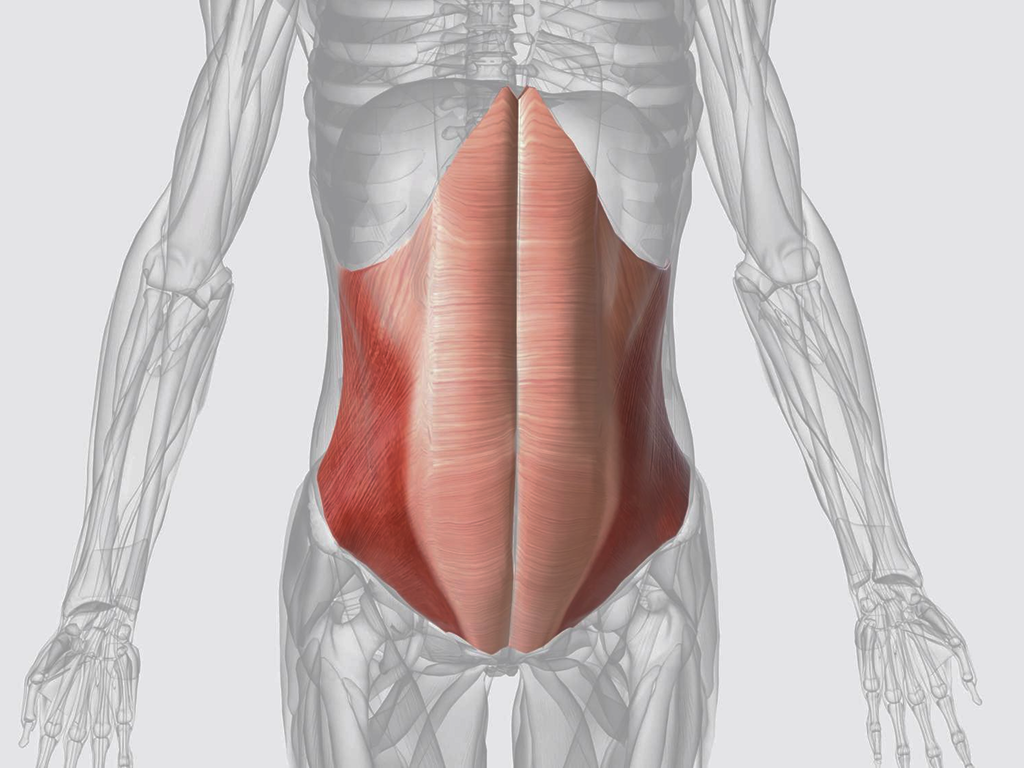
An abdominal wall hernia develops when tissue, fat, or a part of the intestine pushes through a weak region in the abdominal muscles. This weakness creates a bulge or swelling that may become more noticeable while coughing, lifting heavy objects, standing for long periods, or straining.

Some abdominal wall hernias are present from birth, while others develop over time due to prior surgery, aging, obesity, strenuous activity,  chronic coughing, or pregnancy.

Types of Abdominal Wall Hernias

Type of Hernia

Description

Incisional Hernia

Develops through a previous surgical scar

Umbilical Hernia

Occurs near the belly button

Epigastric Hernia

Appears in the upper abdominal wall

Ventral Hernia

General weakness in the abdominal wall

Recurrent Hernia

A hernia that returns after an earlier repair

Inguinal  Hernia 

Hernia in the Groin

Complex Hernia

Large or complicated abdominal wall defects

Common symptoms of an Abdominal Wall Hernia

Patients may notice:

  • A visible bulge or swelling in the abdomen
  • Discomfort or pain  during coughing, lifting, or physical strain
  • A tight or dragging feeling across the abdominal area
  • A feeling of weight or fullness near the affected region 
  • Symptoms becoming more noticeable after prolonged standing
  • Reduced strength or support in the abdominal muscles
  • Rarely intestinal obstruction 

Certain hernias may not cause pain in the early stages and can slowly become larger over time.

When is Abdominal Wall Hernia Surgery recommended?

Surgery may be advised when:
  • The hernia increasing in size
  • Pain or discomfort affects daily activities
  • There is risk of bowel obstruction or strangulation
  • The hernia becomes recurrent
  • The abdominal wall becomes significantly weak
  • The hernia affects physical movement or quality of life
Emergency surgery may occasionally become necessary if the intestine becomes trapped inside the hernia.

Who is an ideal candidate for Hernia Surgery?

Patients may be suitable candidates for abdominal wall hernia surgery  if they:
  • Abdominal wall hernias that are causing discomfort or symptoms
  • Individuals who notice repeated swelling, heaviness, or pain in the abdomen
  • Patients with hernias developing through old surgical scars
  • Those diagnosed with large, recurrent, or complicated hernias
  • Individuals who are medically suitable for surgery and anesthesia
  • Patients looking for a stronger and more durable hernia repair
Certain medical conditions may need better control before surgery, such as diabetes, smoking habits, and excess weight, as these factors can influence healing and recovery after the procedure.

How is Abdominal Wall Hernia Repair performed?

The surgical approach mainly depends on the size of the hernia, the condition of the abdominal wall, and whether the hernia is simple, recurrent, or more complex in nature. Treatment is planned carefully after evaluating the patient’s symptoms, imaging findings, and overall health condition. Hernia surgery may be open or Laparoscopic. 

Open Hernia Repair

Open hernia repair involves making an incision over the hernia site to access the weakened area of the abdominal wall. The tissue pushing through the opening is carefully returned to its normal position, following which the muscle defect is repaired securely. Depending on the size and nature of the hernia, surgical mesh may sometimes be placed to strengthen the repair and support the abdominal wall.

Key Points

  • Direct access to the hernia site
  • Suitable for certain large or complex hernias
  • Mesh reinforcement may be used when required
  • Helps strengthen weakened abdominal muscles
Laparoscopic Hernia Repair

Laparoscopic abdominal wall hernia surgery is carried out through a few small cuts made on the abdomen using a camera and fine surgical instruments. The hernia is repaired internally while avoiding unnecessary handling of nearby tissues. The advantage of this approach reduces scarring , less trauma to the body, rapid recovery and allows individuals to resume normal day-to-day activities sooner after surgery. 

Key Points

  • Performed through small incisions
  • Minimally invasive surgical method
  • Less disturbance to surrounding tissues
  • Smaller scars and faster recovery in selected cases
Complex Abdominal Wall Reconstruction

Large, recurrent, or long-standing hernias may sometimes need more extensive abdominal wall reconstruction. These procedures are planned in detail to rebuild abdominal wall strength and achieve a stable repair that can hold well over time. 

Different reconstruction methods and mesh placement techniques may be considered depending on the size, location, and complexity of the hernia.

Key Points

  • Often advised for large or recurrent hernias
  • Focused on rebuilding abdominal wall strength and support
  • Surgical technique is chosen as per the size and complexity of the defect
  • Intended to provide stronger and longer-lasting abdominal wall support over time
Use of Mesh in Hernia Repair

A Mesh is used in abdominal wall hernia repair as the muscle is weak and needs extra support. It helps strengthen the repaired area and reduces the chance of hernia recurrence. The surgeon decides this after checking the size of the hernia, the quality of the surrounding tissue, past abdominal surgery, and how strong the abdominal wall is. The mesh is placed carefully so it supports the repair without adding unnecessary strain to nearby tissues.

The decision regarding the size and type of mesh depends on:

  • Hernia size
  • Tissue strength
  • Previous surgeries
  • Infection risk
  • Complexity of the defect

Benefits of Abdominal Wall Hernia Surgery

Relief from pain and discomfortImproved abdominal wall strength
Better physical movementReduced risk of complications
Correction of visible swellingImproved quality of life
Lower recurrence risk with appropriate repairReturn to daily activities

Recovery after Hernia Surgery

Recovery timelines are based on the complexity of surgery and the overall health.

Recovery Stage

Expected Timeline

Walking and light movement

Within 1–2 days

Return to light activities

Around 2 weeks

Gradual increase in activity

Around 4 weeks

Strenuous activity and gym 

Usually 8-12 weeks

Recovery from complex reconstruction

May take longer

Patients are advised to avoid any strenuous physical activity during the healing phase.

Risks and safety considerations

As with any surgical procedure, abdominal wall hernia surgery may involve certain risks.
  • Infection at the surgical site
  • Bleeding during surgery or while recovering
  • Swelling or fluid collection around the repaired area
  • Ongoing soreness or discomfort in some cases
  • Side effects or reactions related to anesthesia
  • Rare possibility of recurrence
Thorough pre-surgical assessment, careful operative techniques, and proper follow-up care are important in lowering the chances of these complications.

Cost of Abdominal Wall Hernia Surgery in Dubai

The cost of abdominal wall hernia treatment in Dubai may differ from one patient to another based on several factors, including:
  • Type and size of the hernia
  • Complexity of the repair procedure
  • Whether mesh reinforcement is required
  • Length of hospital stay
  • Technique used for the surgery
  • Overall health condition of the patient
A complete surgical evaluation and clinical assessment are generally necessary before confirming the final treatment plan and overall procedure cost.

Dr. Rajesh Nambiar

MBBS · MS · DNB Surgical Gastroenterology · HPB & Transplant Fellowship · GI, Hepatobiliary & Pancreatic Surgery

20+

Years of Experience

5

Procedure Types

DHA

Licensed Specialist

Dr. Rajesh’s surgical approach Abdominal Wall Hernia

Patients seeking abdominal wall hernia treatment in Dubai consult Dr. Rajesh Nambiar for his experience in advanced GI and abdominal surgery combined with structured treatment planning.
Highlights of his practice
  • More than 20 years of GI surgical experience
  • Extensive experience in advanced laparoscopic procedures
  • Dedicated focus on pancreatic, hepatobiliary, and GI surgery
  • Fellowship training in HPB and transplant surgery
  • Experience in complex pancreatic tumor surgeries
  • Training in robotic GI surgery using Da Vinci systems
  • Multidisciplinary cancer care approach
  • Focus on evidence-based surgical planning
He manages routine and complex hernias with a careful patient-focused approach. Importance is given to detailed assessment, proper surgical planning, and helping patients understand each step of their treatment, surgery, and recovery in a clear and practical manner.

Expert Abdominal Wall Hernia care

Abdominal wall hernias can gradually affect comfort, movement, and daily activities if left untreated. Early evaluation and appropriate surgical planning may help prevent complications and support better long-term outcomes.

Dr. Rajesh provides advanced abdominal wall hernia treatment in Dubai with a focus on safe surgical care, individualized treatment planning, and recovery-focused management. Patients seeking abdominal wall hernia surgery in Dubai can consult him for comprehensive assessment and evidence-based treatment tailored to their condition.

Frequently AskedQuestions

It is normal to have some soreness after surgery, especially during the first few days. Pain usually settles gradually as healing progresses and is managed with prescribed medications.

A hernia can sometimes come back, particularly in large or complex cases. Proper repair techniques and abdominal wall support may help lower the chances of recurrence.

The length of surgery varies from one patient to another. Smaller hernias may take less time, while larger or recurrent hernias can require a longer procedure.

Both methods are used depending on the type of hernia and the condition of the abdominal wall. The most suitable option is decided after clinical evaluation.

Some patients are discharged on the same day, while others may need a slightly longer stay depending on the extent of the repair and recovery progress.

Return to work depends on the nature of the job and the type of surgery performed. Patients with desk-based work may resume earlier than those involved in physically demanding activities.

Not every hernia becomes serious immediately, but some may gradually enlarge or lead to complications if left untreated for a long time.

Mesh is commonly used in many hernia repairs to provide additional support to the abdominal wall. Its use depends on the size and nature of the hernia.

Repeated strain, improper lifting techniques, or excessive pressure on weak abdominal muscles may contribute to hernia formation in some individuals.

Immediate medical care may be needed if the hernia becomes extremely painful, swollen, red, hard, or difficult to push back in, especially if associated with vomiting or fever.

Book an Appointment