HomeServices › Gallstones

Gallstones

Enquiry Now

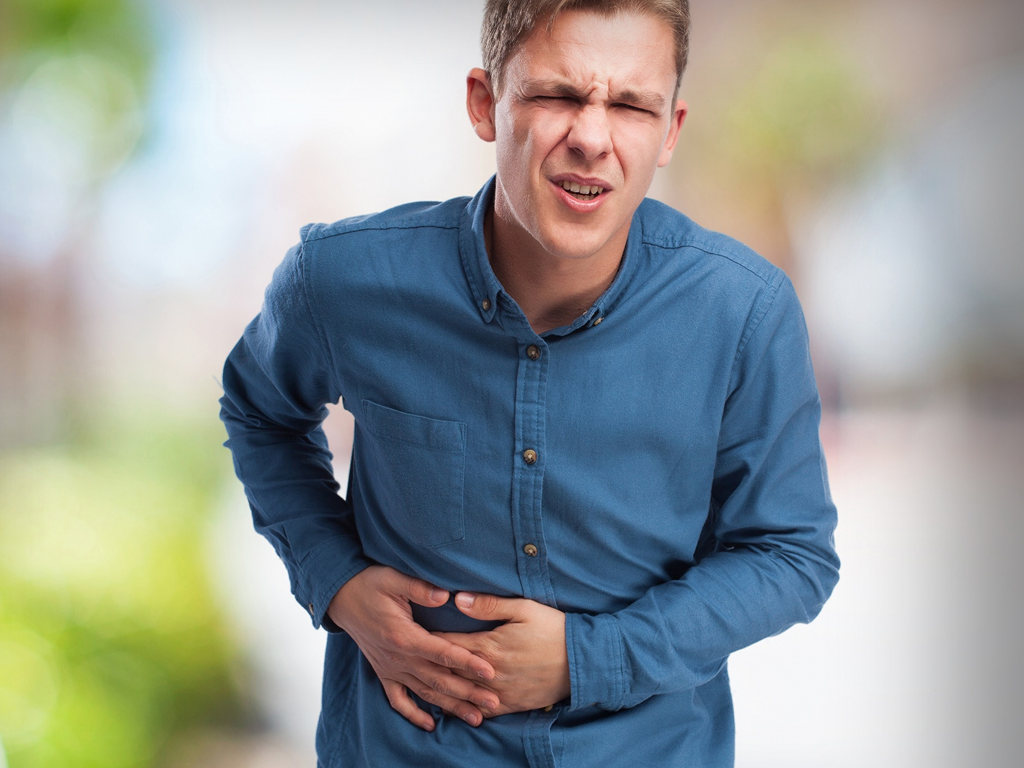
Symptoms of gallbladder stones frequently include acute pain localized in the upper right quadrant, centre of the abdomen or back, which typically intensifies following the consumption of high-fat meals. This can be accompanied by nausea, vomiting and abdominal distension.

Gallstones can worsen over time, causing recurrent pain and disrupting your daily life. They can cause complications like jaundice due to obstruction of the bile duct. When symptomatic, early surgery is important to stop ongoing pain and prevent serious complications.

Dr. Rajesh Nambiar is an experienced gastrointestinal surgeon who provides advanced, minimally invasive options for people needing gallbladder stone surgery in Dubai. He uses the latest techniques to help patients recover quickly and return to their normal routines. 

Understanding gallbladder stones (Gallstones)

Your gallbladder is a small sac-like organ shaped like a pear that sits under your liver. Its main job is to hold a small quantity of bile, which is a digestive fluid produced in your liver that helps digest fats. Abnormal gallbladder function with changes in the concentration of cholesterol and bile leads to the development of gallstones. 

Gallstones are nothing if not unpredictable in size; they can be as small as a microscopic grain of sand or grow as large as a golf ball. Some cause no symptoms, but others can obstruct the flow of bile and lead to recurrent pain,  inflammation (cholecystitis), jaundice, or even serious conditions like pancreatitis.

What is gallbladder stone surgery?

The best cholecystectomy surgery in Dubai is the surgical removal of the gallbladder. Because the gallbladder is not essential, removing it is the safest and most effective way to treat gallstones and prevent them from returning.  Removing the stones alone is not an option. The liver produces about 600-1000ml of bile per day. The gallbladder has a volume of only 30-60ml. Hence, removing the gallbladder does not alter your digestion significantly. After your operation, your liver will send bile straight to your small intestine instead of storing it in the gallbladder. Your body can still digest food normally. Dr. Rajesh Nambiar specializes in safe cholecystectomy surgery in Dubai, primarily utilising two surgical modalities:
  • Laparoscopic cholecystectomy: This is the commonest method to remove gallbladder stones. This minimally invasive method uses a small camera and special instruments inserted through 3 or 4 tiny cuts in the abdomen. The surgeon operates by watching a monitor to carefully remove the gallbladder.
  • Open cholecystectomy: This traditional surgery uses one large incision below the right ribcage about 10 to 15 centimetres long. It is used for complex cases when laparoscopy is not safe due to severe inflammation, adhesions, scar tissue, or unusual anatomy. It is rarely performed nowadays as Laparoscopy is possible in most patients.

Who requiressurgery?

The mere presence of gallstones on a scan does not warrant surgery. There are specific criteria for surgery. The chance of your gallstones becoming symptomatic is only 15-20% . You may benefit from a proper evaluation with Dr. Rajesh Nambiar if you have been diagnosed with gallstones. 

Surgery is indicated if – 

  • You experience recurrent biliary colic (sharp upper abdominal pain, nausea, or vomiting after eating).
  • You have had an episode of gallbladder infection (acute cholecystitis)
  • You have developed complications like choledocholithiasis (stones in the bile duct), jaundice, or gallstone pancreatitis.
  • Very large gallstones (>2.5-3 cm) 
  • You are medically fit to undergo general anesthesia.

Benefits of laparoscopic cholecystectomy

Choosing a laparoscopic cholecystectomy surgery in Dubai offers significant benefits over traditional open surgery:

  • Minimal scarring: The small cuts leave very little scarring compared to the larger scar from open surgery.
  • Less pain after surgery: Smaller wounds mean less muscle damage and less soreness after the operation.
  • Rapid recovery: Most people go home the same day or within 24 hours.
  • Quick return to routine: Most patients can go back to work and daily activities within a week.
  • Reduces the chance of wound complications : The chance of wound infection and incisional hernia is lower. 

Risks and safety considerations

Laparoscopic gallbladder removal is a common surgery, but like any operation, it has some risks:

  • Bile duct injury or bile leakage (rare with experienced hands)
  • Mild wound infection or localized bleeding.
  • Temporary digestive changes, such as loose stools or mild bloating.
  • Anaesthesia-related risks.

Rarely, a bile duct stone may remain silent before surgery and cause pain or jaundice after surgery. These patients need an endoscopic procedure known as ERCP to remove the bile duct stone. 

Dr. Rajesh lowers these risks by planning carefully before surgery, using safe techniques during the operation, and closely monitoring patients afterwards.

Recovery timeline

Timeframe

What to expect?

Day 1

Surgery was completed under general anesthesia. Light walking is encouraged within hours to prevent blood clots. Most patients are discharged the same or the next day.

Days 2–6

Mild soreness around incision sites. Transition from a liquid/soft diet to solid foods, avoiding high-fat or greasy items.

Week 1

Review in the clinic. Wounds are examined and are usually left open.  Most patients feel ready to return to office work and routine activities.

Weeks 2–4

Energy levels return to normal. Mild digestive changes resolve as the body recovers.

Week 4-6

Full clearance for strenuous exercises, heavy lifting, and standard physical routines after a follow-up review.

Cost of gallbladder stone surgery in Dubai

The cost of a laparoscopic cholecystectomy in Dubai varies depending on several key determinants:
  • The complexity and severity of gallbladder inflammation.
  • The specific hospital facility chosen for the procedure.
  • The duration of the inpatient stay.
  • Your health insurance network coverage (most diagnostic and symptomatic gallstone surgeries are covered by major insurance policies, subject to individual approvals).
A comprehensive, clear cost breakdown will be provided immediately following your initial clinical evaluation and ultrasound.

Dr. Rajesh Nambiar

MBBS · MS · DNB Surgical Gastroenterology · HPB & Transplant Fellowship · GI, Hepatobiliary & Pancreatic Surgery

20+

Years of Experience

5

Procedure Types

DHA

Licensed Specialist

Dr. Rajesh Nambiar’s surgical technique

Dr. Rajesh Nambiar takes a careful and safety-focused approach to biliary care. He prefers minimally invasive laparoscopy for most planned surgeries to make patients as comfortable as possible.

During surgery, he uses high-definition laparoscopic imaging to clearly find the cystic duct and cystic artery before sealing them. By identifying these structures with care and precision, he protects the bile duct and liver tissue nearby, helping to keep the surgery smooth and giving patients the best possible chance of a quick recovery. 

Expert gallbladder stone surgery in Dubai for lasting relief

Gallstones can cause persistent pain, digestive discomfort, and serious complications if left untreated. With advanced techniques for gallbladder stone surgery in Dubai, including minimally invasive laparoscopic procedures, patients can achieve lasting relief and return to their daily lives with confidence. At Mediclinic Welcare Hospital, Dr. Rajesh Nambiar provides personalized surgical care focused on safety, faster recovery, and long-term digestive health.

Frequently AskedQuestions

While you are under general anesthesia, the surgeon makes a few small cuts in your abdomen, fills it with gas to see better, then uses a camera and small tools to carefully remove the gallbladder.

Yes. Your liver keeps making bile, and without a gallbladder, the bile goes straight into your small intestine. Your body adjusts quickly, but it’s best to avoid very greasy foods for a few weeks after surgery.

If gallstone problems become serious or dangerous during pregnancy, surgery can be done safely, usually in the second trimester with careful laparoscopic methods.

Laparoscopic surgery uses small cuts and a camera, so recovery is faster and less painful. Open surgery needs a bigger cut under the ribs and is used for more complicated cases or emergencies.

Laparoscopic cholecystectomy is usually done as a day-care procedure. Most people go home within 24 hours after surgery.

Some oral medicines can sometimes dissolve small cholesterol stones, but they take a long time to work, often don’t succeed, and the stones usually come back when you stop the medicine. Surgery is still the best cure.

Begin with clear liquids and small, light meals. Slowly add solid foods, and keep your diet low in fat, high in fiber, and not greasy for the first 2 to 3 weeks to avoid bloating or diarrhea.

Book an Appointment